Why universities are adding nap spaces
Lack of sleep is common on campus. A 2014 review by Shelley Hershner and Ronald Chervin in Nature and Science of Sleep reports that about 50% of college students have daytime sleepiness and about 70% get insufficient sleep. The authors say sleep deprivation can result in lower grade point averages, impaired mood and a higher risk of academic failure, and they list the encouragement of naps among the interventions that can help. Read the review on PubMed Central.
Short naps have also been studied outside the classroom. In a NASA study of long-haul pilots, a planned rest period let crew members sleep about 26 minutes on average, and they showed better alertness and performance than crew who did not rest. NASA's technical report covers pilots, not students, so treat it as a guide to what a short rest can do. Experts do not agree on the perfect nap length, and some suggest about 15 minutes to avoid grogginess, as BBC News reported.
Noise matters as much as time. The University of British Columbia's Healing Sleep blog summarises research on the health risks of short and interrupted sleep. A rest space that keeps noise out gives a student a better chance of a real break.
What other campuses have done
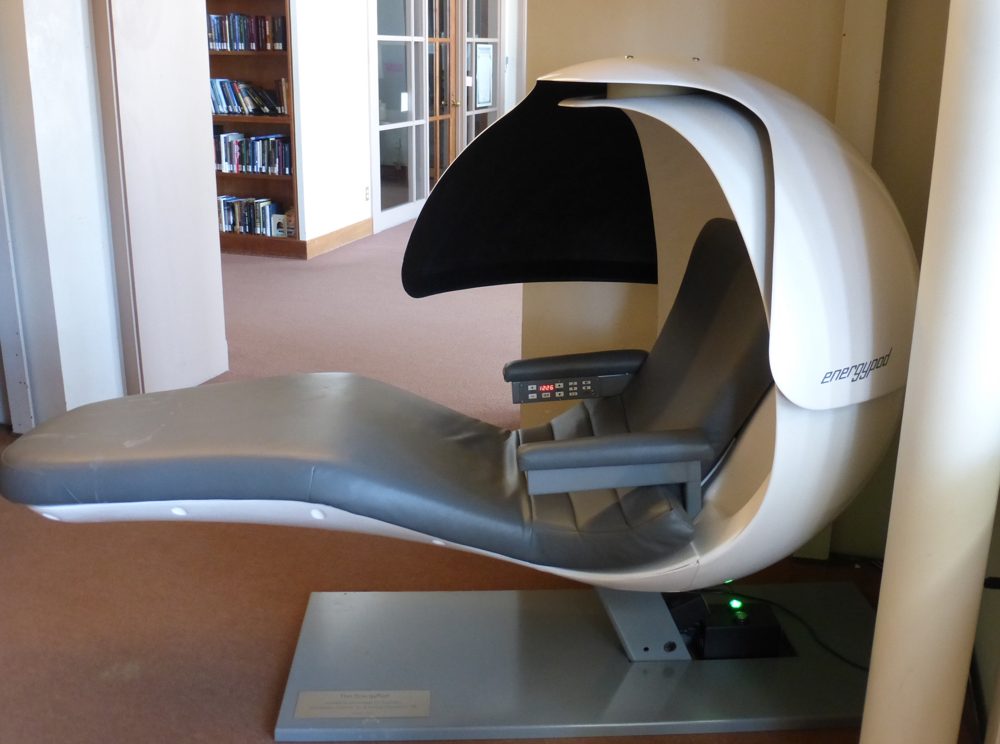
Several universities already offer nap pods, mostly in libraries. These are examples from their own pages:
- William & Mary: the Student Assembly funded two pods in Swem Library, used on a first-come, first-served basis for 20-minute sessions. Read the library's announcement.
- University of Nebraska Medical Center: two pods on the library's designated quiet level, open 24 hours a day to the UNMC and Nebraska Medicine community. See the UNMC newsroom story.
- University of Colorado Boulder: pods in two libraries, with sanitation supplies nearby so students wipe the pod down after use. See the CU Boulder Libraries post.
- HKUST: bookable 20-minute sessions, with limits per student and wipes provided. See the HKUST Library page.
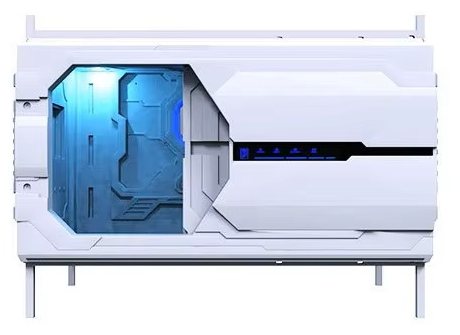
Those pods are reclining nap chairs from other makers. Our sleeping pods are enclosed cabins with a bed-sized inner space of 1.93 × 0.95 × 1.1 m, so a student has a private space to rest in. Our comparison of our sleep pod with Eight Sleep and other nap pods explains the differences.

Where to place a sleeping pod on campus
- Library quiet floor: students already study there late, and the pods in the examples above sit in libraries.
- Student union or wellness centre: a spare room near counselling or health services keeps rest and support together.
- Residence halls: useful for students who share rooms and cannot sleep during the day.
- Athletics or recovery rooms: a private cabin for rest between training and class.
Measure the floor and the ceiling first. A single pod needs a floor area of 2.06 × 1.14 m and is 1.5 m high. A double pod is 2.06 × 1.88 m and 2.4 m high, and a standard 8 ft ceiling is 2.44 m, so it leaves very little clearance. The sleeping pod buyer's guide has the full size table in metric and feet and inches. Each pod has a smart TV and a sound system, so plan an outlet nearby. Check fire and building rules with your campus facilities team and insurer before you install.
Noise, light and ventilation
Each cabin is soundproofed and ventilated, so a student has a quiet, private space even in a busy building. No enclosure blocks all sound, and we do not claim a decibel figure, so choose a quieter part of the building and not a spot beside a busy door or a lecture hall. Our sleeping pods for offices page covers a similar quiet-room setup, and our airport page covers pods in much louder spaces.
Hygiene and cleaning
A shared pod needs a routine. The campus programmes above use simple rules that are easy to copy:
- Time limits, such as 20-minute sessions, so more students can use the pod.
- Wipes or sanitation supplies next to the pod, and a wipe-down before and after use.
- Shoes off, as the TU/e library in Eindhoven asks students to do in its power nap pods.
- First-come, first-served use or a booking system, depending on demand.
Our shell is made of ABS. Tell us how your campus cleans shared equipment, and call or email us before you order so we can answer questions about your cleaning plan.
Sizes and pricing
Prices are in US dollars, plus shipping, and match our sleeping pod pricing page:
| Single pod | Double pod | |
|---|---|---|
| Cabins | One | Two, stacked, with a ladder |
| Size (L × W × H) | 2.06 × 1.14 × 1.5 m | 2.06 × 1.88 × 2.4 m |
| Price (USD plus shipping) | $4,995.00 | $8,995.00About $4,498 per cabin |
Quantity, custom colour and delivery location can change the final quote. We ship to all of the USA and Canada, and every pod has a 2-year limited warranty. See our guide to sleeping pods in major US cities, or read the story behind The Sleeping Pods.
Planning pods for a campus? Call 208-905-4960 or email info@thesleepingpods.com with the number of pods, the building and your timing.